Race Prep
Fuelling your first 70.3
Three disciplines, one gut. A simple bike-heavy plan for Ironman 70.3 Durban that keeps the run leg civil.

A first 70.3 is usually five to seven hours of work in humid coastal air, and the fuelling problem is one of sequencing: you can eat comfortably on the bike, barely on the run, and not at all in the water. So the plan front-loads the bike and keeps the run simple enough to execute while uncomfortable.
Race morning
- Three hours out: a familiar breakfast of 1–2 g of carbohydrate per kg body mass. Nothing new, nothing high-fibre.
- Two hours out: 400–500 ml of water with one hydration tab.
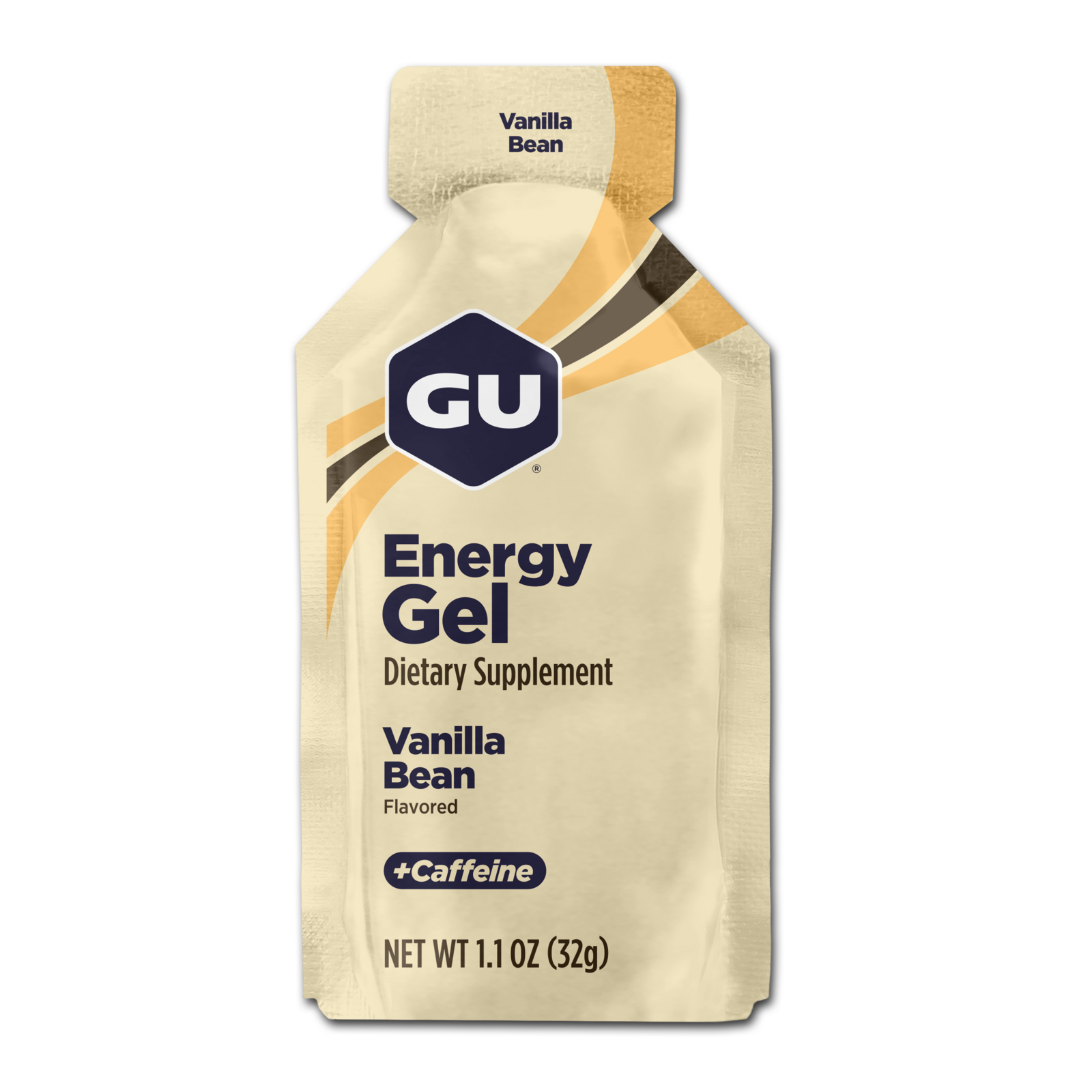
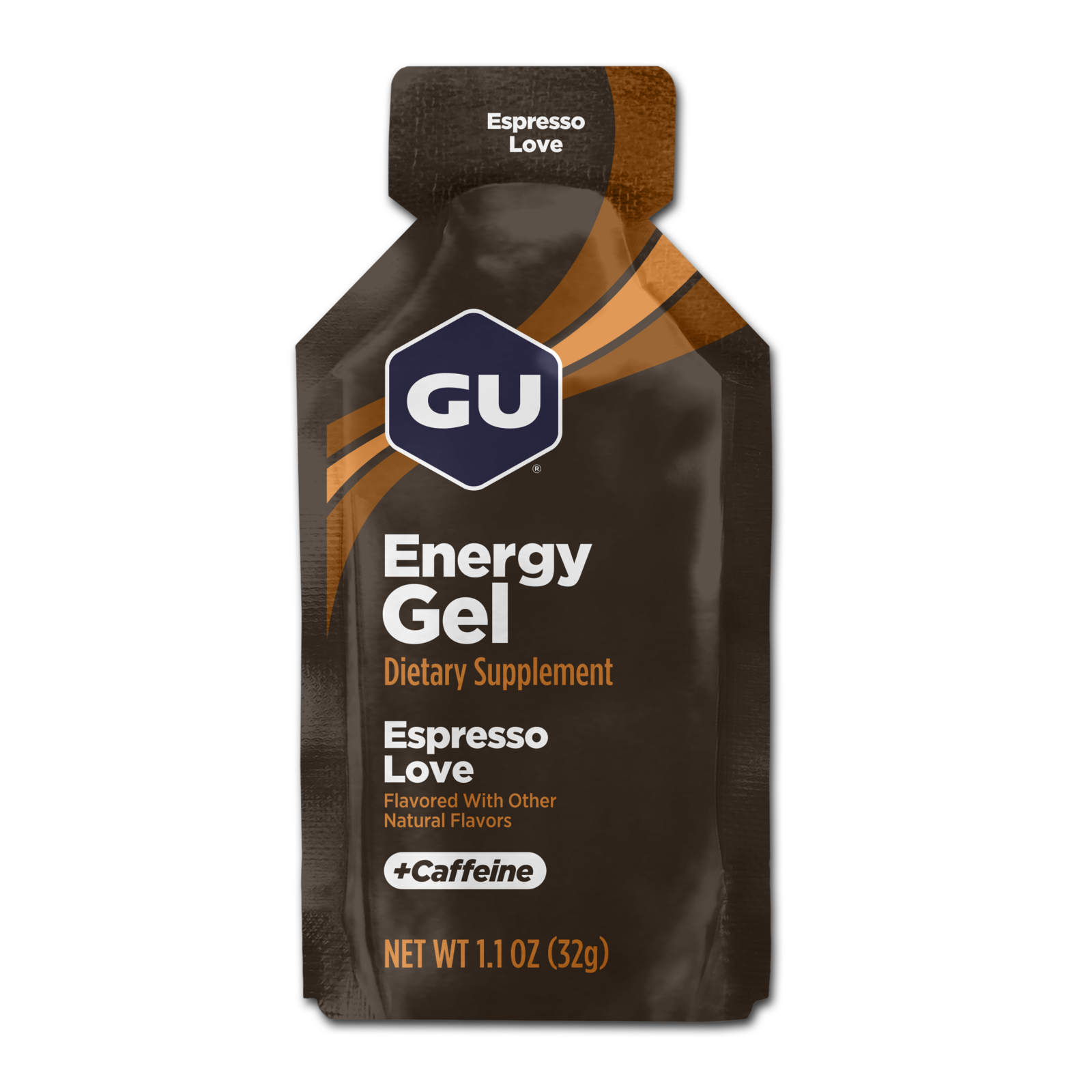
- Ten minutes before the swim: one gel with a small sip of water.
The bike: where the day is won
Target 70 to 90 g of carbohydrate per hour on the 90 km. Practically, that is one bottle of drink mix per hour plus a gel, or two gels plus a fuelled bottle if you prefer chewing nothing at all. Set a 20-minute alarm on your bike computer and feed on it, especially in the first hour when you least feel like it.
The run: fewer decisions
Drop the target to 50 to 70 g per hour and switch to one format you know goes down when you are hot and hollow. Many athletes find a thick gel unbearable by 12 km — a liquid gel or half a sleeve of chews at every second aid station works better. Take water at every station in Durban humidity, whether you want it or not.
| Leg | Carbs per hour | Fluid per hour | Sodium per hour |
|---|---|---|---|
| Swim (1.9 km) | — | — | — |
| Bike (90 km) | 70–90 g | 700–900 ml | 600–900 mg |
| Run (21.1 km) | 50–70 g | 600–800 ml | 500–800 mg |
First-timers rarely blow up because of fitness. They blow up because they took nothing for the first 40 minutes of the bike and never caught up.
Afterwards
Get carbohydrate and protein in within the first hour, ideally as a drink because appetite is usually gone. Then keep drinking with electrolytes through the afternoon — recovery from a humid race is mostly a rehydration job.