Fuelling Guides
Gels vs chews vs drink mix
Same carbohydrate, three very different delivery systems. Choose by intensity, terrain and how much you want to think.


Athletes tend to argue about gels versus chews as though one is objectively better. They are the same maltodextrin and fructose blend in different packaging, and the right choice comes down to how hard you are working, what your hands and mouth can manage, and how many decisions you want to make while tired.
The comparison, in numbers
| Format | Carbs per feed | Sodium | Best at |
|---|---|---|---|
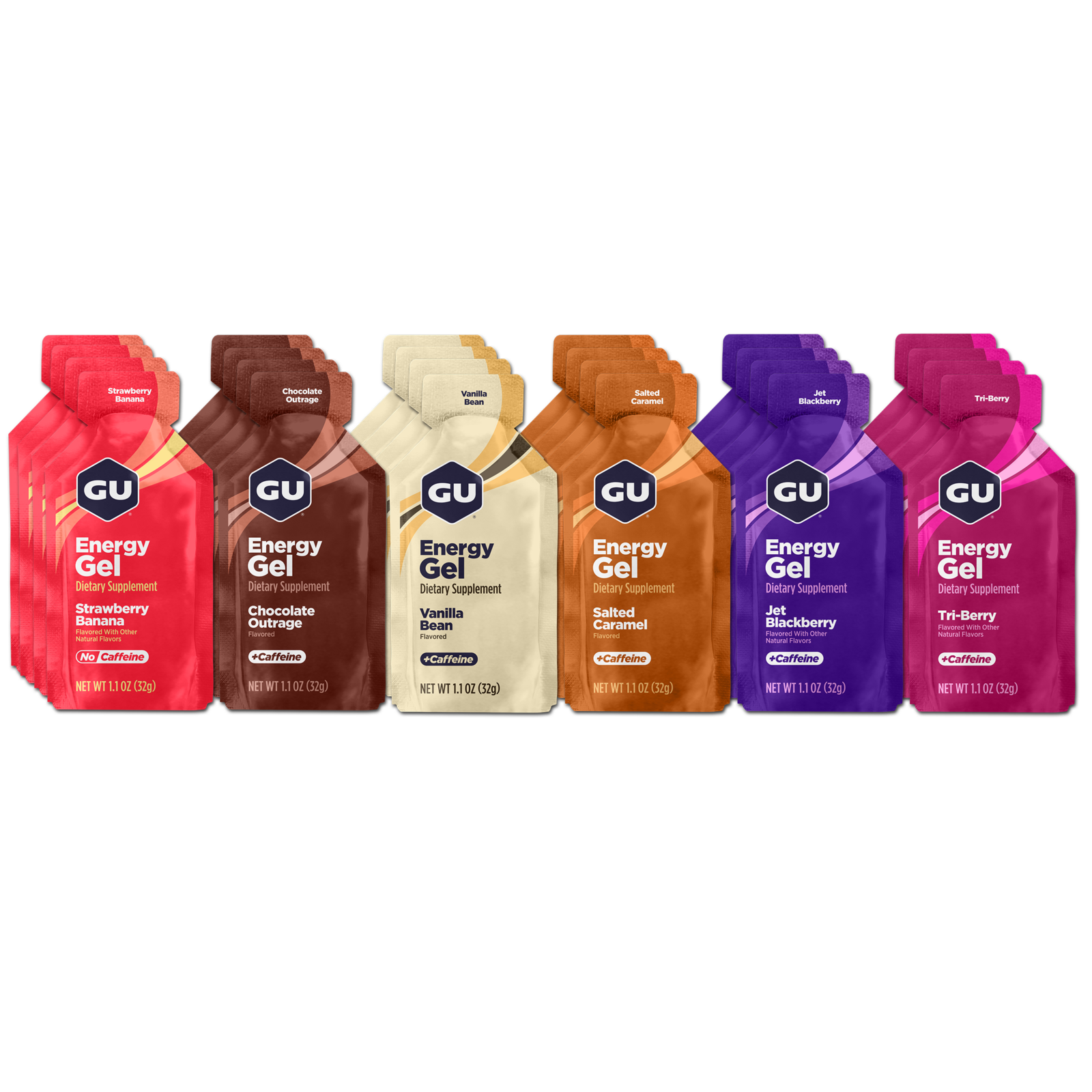
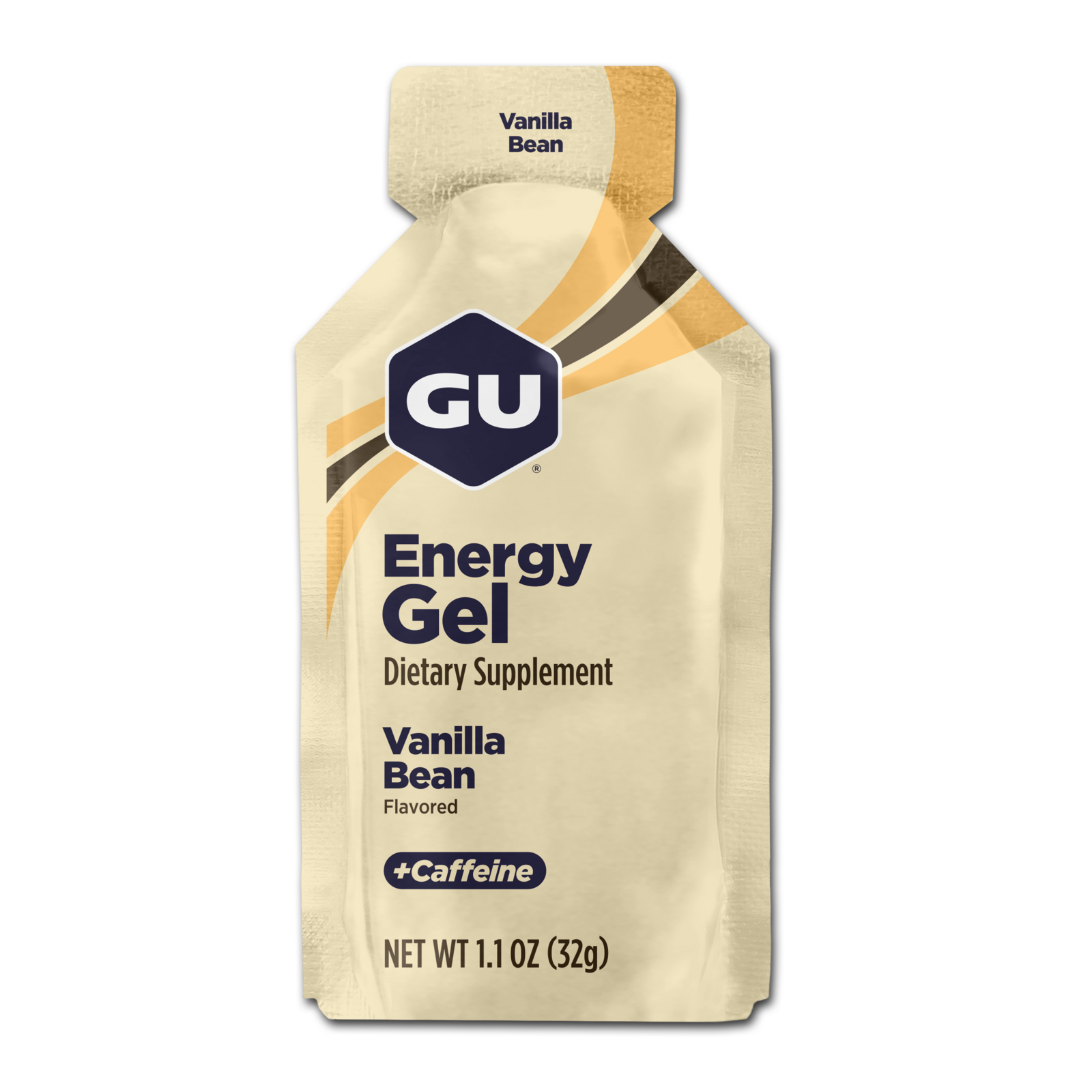
| Energy Gel | 22 g | 60 mg | Any intensity, when you want small, frequent feeds |
| Roctane Gel | 21 g | 125 mg | Race day, heat, the back half of long events |
| Liquid Energy Gel | 26 g | 70 mg | Late in a race when thick gels feel like too much |
| Energy Chews (sleeve) | 46 g | 80 mg | Steady effort, when chewing is a mental reset |
| Roctane Drink Mix | 62 g | 320 mg | Cycling — fuel and hydration from one bottle |
Intensity decides more than taste
At high intensity, breathing hard through your mouth makes chewing genuinely difficult, and blood flow to the gut drops. Gels win there. At a steady tempo — long ride, ultra shuffle, stage-race pace — chewing something solid breaks the monotony and keeps saliva flowing.
On the bike, drink your carbohydrate
A bottle of drink mix delivers a large block of carbohydrate and electrolyte without opening a single wrapper, which matters on rough ground where letting go of the bars is a decision. Most riders do best with one fuelled bottle and one plain electrolyte bottle per hour, then gels as a top-up on smooth sections.
Riders who fuel from a bottle hit their carb target far more reliably, simply because drinking is a habit and unwrapping is a task.
The practical answer: mix formats
- Under 90 minutes: one gel and a bottle of electrolyte is plenty.
- Two to four hours: gels or a fuelled bottle, one format as the backbone, one as variety.
- Four hours and beyond: rotate at least three textures, and put anything sweet-heavy in the first half.