Fuelling Guides
How to fuel Comrades
Ninety kilometres, eight to twelve hours on your feet and a field of tables you did not plan for. Here is a fuelling plan you can rehearse.
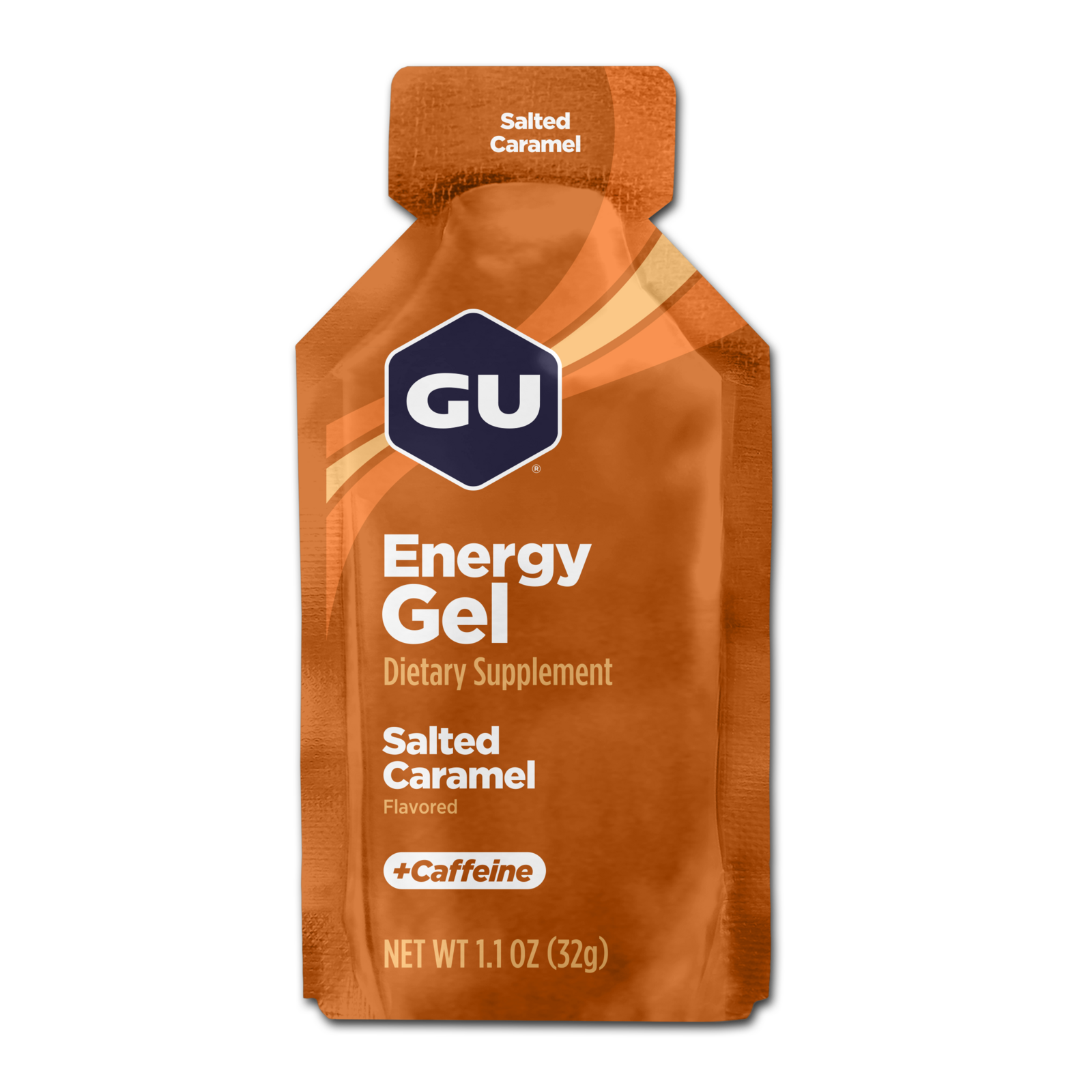
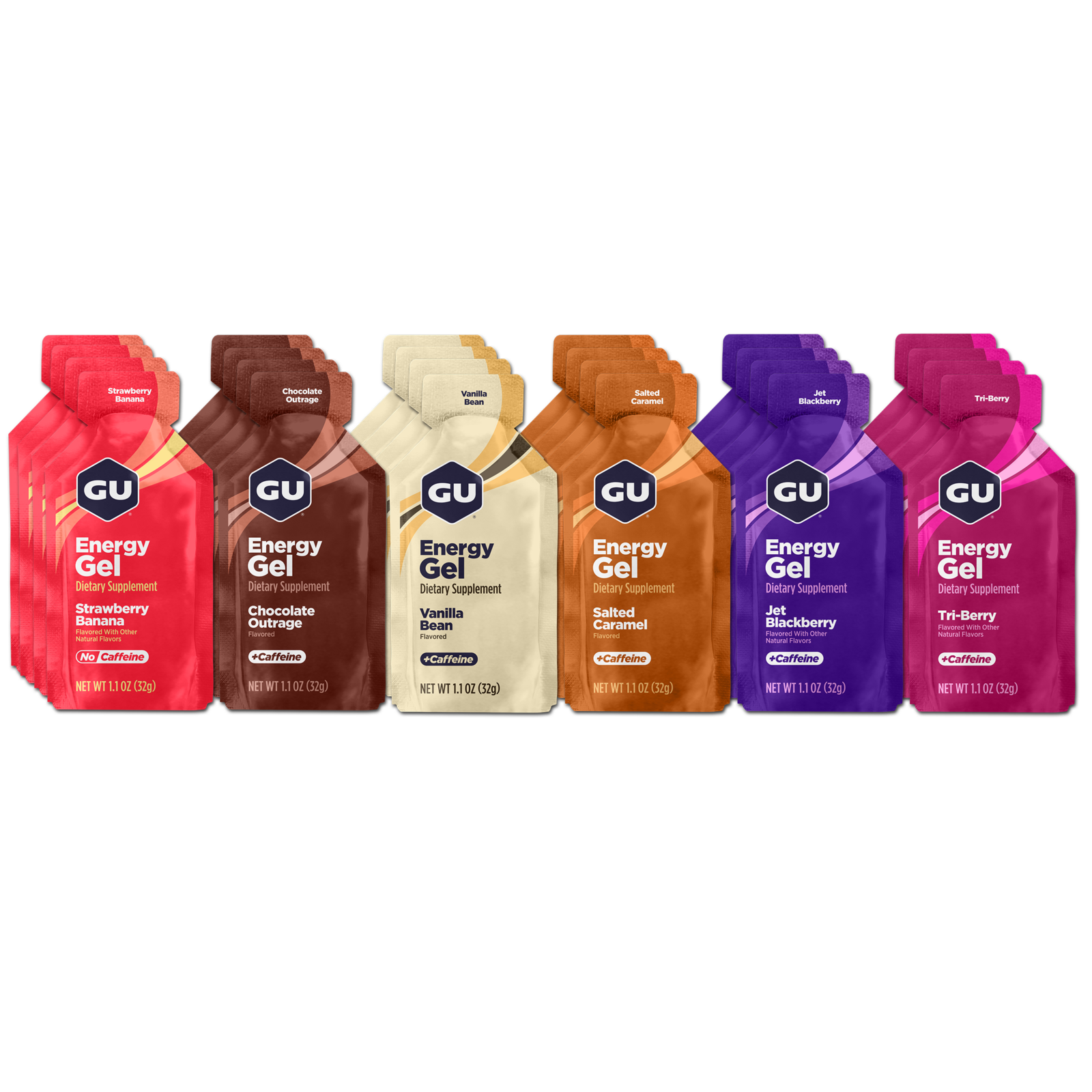
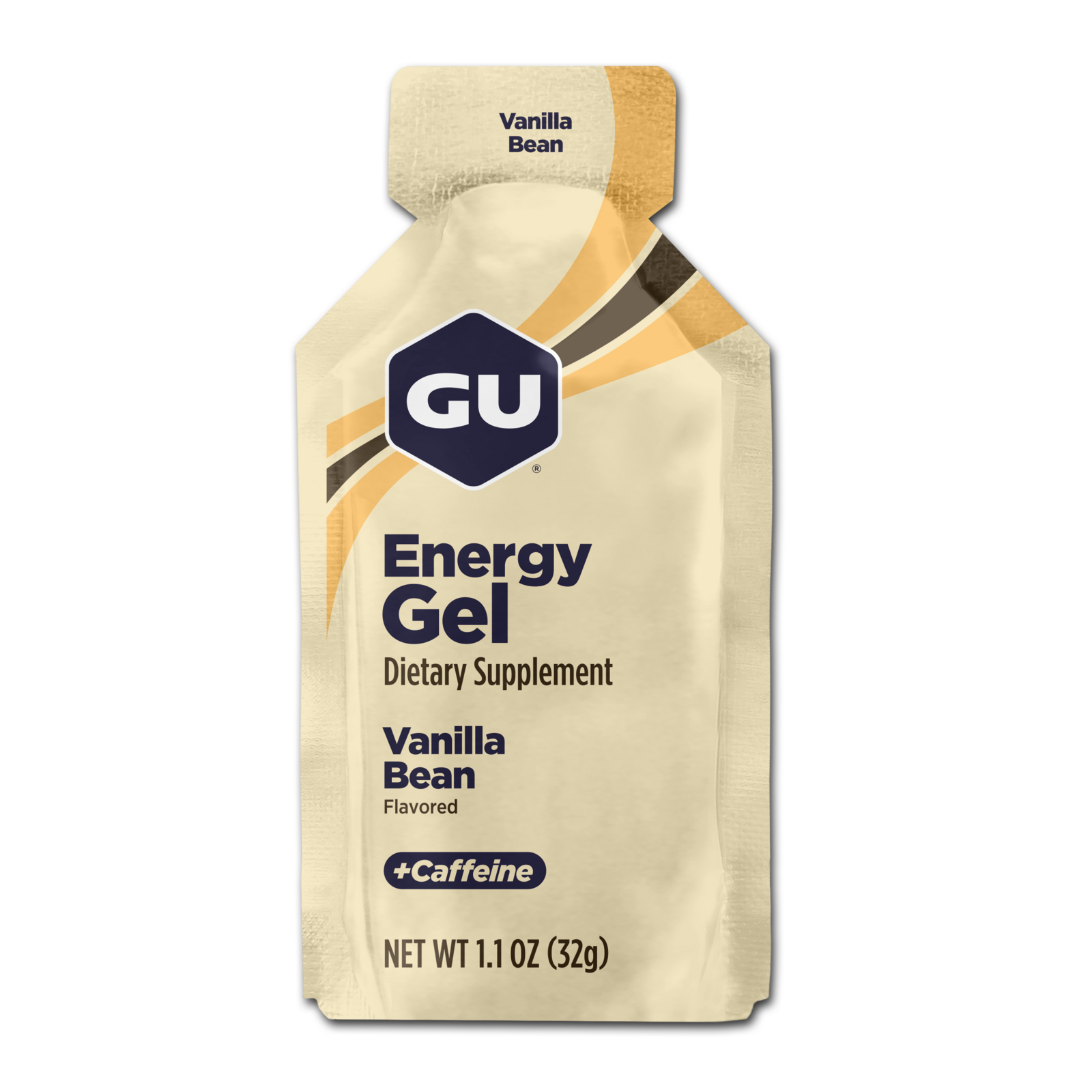
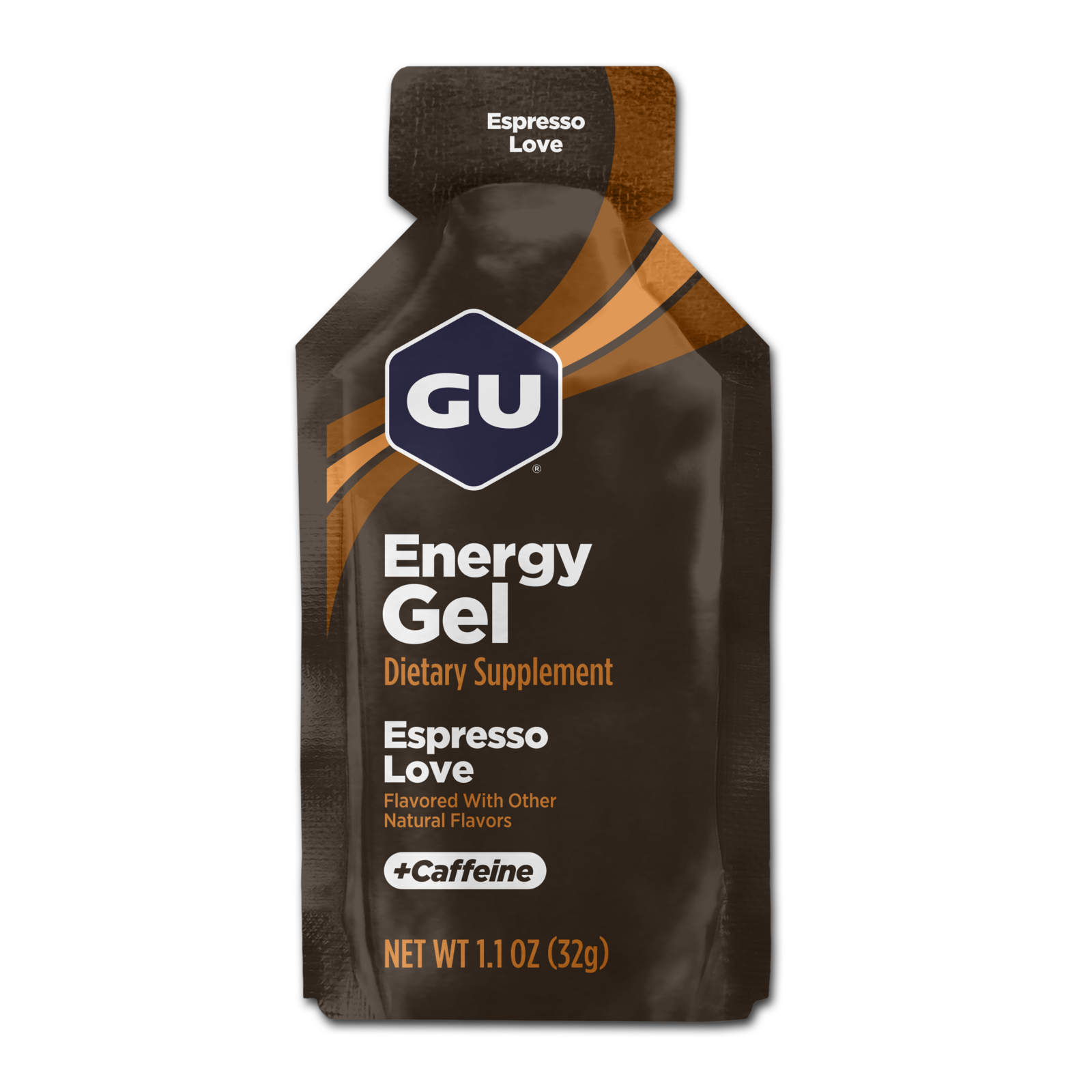
Comrades is not a marathon with extra kilometres bolted on. It is a long day of continuous work in which your fuelling either holds or unravels, usually somewhere after the seven-hour mark. The good news is that the fuelling problem is almost entirely solvable in advance, and almost never solvable on the day.
Start with the numbers, not the products
For an effort longer than six hours, aim for 80 to 90 g of carbohydrate per hour if your gut is trained for it, and 60 to 75 g if this is your first ultra. Below roughly 60 g/h most runners in the 9 to 12 hour bracket end up rationing energy from halfway, and the last 20 km becomes a walk-shuffle you did not choose.
| Expected finish | Carbs per hour | Roughly, in GU terms |
|---|---|---|
| Sub-8:00 | 85–90 g | 4 gels/h, or 3 gels plus half a sleeve of chews |
| 8:00–10:00 | 75–85 g | 3–4 gels/h, alternating standard and Roctane |
| 10:00–12:00 | 60–75 g | 3 gels/h plus one electrolyte bottle every 45 min |
Sodium matters just as much on the Down Run in warm KwaZulu-Natal air. Plan for 500 to 900 mg of sodium per hour depending on how heavily you sweat. If you finish long training runs with white salt lines on your cap, you are at the top of that range, not the bottom.
The hour-by-hour plan
- Five minutes before the gun: one gel, chased with 100–150 ml of water. This is a habit, not a rescue.
- Hours 1–3: one gel every 20 to 25 minutes, water at the tables, one electrolyte bottle per hour. Do not chase caffeine yet.
- Hours 4–6: switch every second feed to Roctane for the extra sodium and amino acids. Start alternating textures — chews or a stroopwafel — before you get flavour fatigue.
- Hours 7 to the finish: caffeinated gels at roughly one an hour, plus electrolyte capsules if you are cramping or bloated. Keep feeding even when you stop feeling hungry.
Seconding tables and what not to trust
Race tables are for water, cola and morale. They are not a fuelling plan, because you cannot control which product is left by the time you arrive, and the last place to try a new flavour is at 60 km with a hot stomach. Carry what you need, or split it between yourself and a legal seconding point.
The runners who fall apart in the last two hours almost never ran too fast. They stopped eating around halfway and only noticed an hour later.
Rehearse it twice, exactly
Pick two long runs — ideally a 55 to 65 km training run and one qualifying marathon — and execute this plan to the minute, at goal pace, with the same flavours you will carry. If something disagrees with you, you have found it in April rather than in June.