Race Prep
What caffeine actually does at km 60
It is not extra energy. Here is the real mechanism, the doses that work, and why timing beats total.
Caffeine does not add fuel. It blocks adenosine receptors in the brain, and adenosine is one of the signals that accumulates during prolonged work to make effort feel harder. Block the signal and the same pace feels more manageable — which at km 60 of an ultra is worth more than almost anything else in your pocket.
How much actually helps
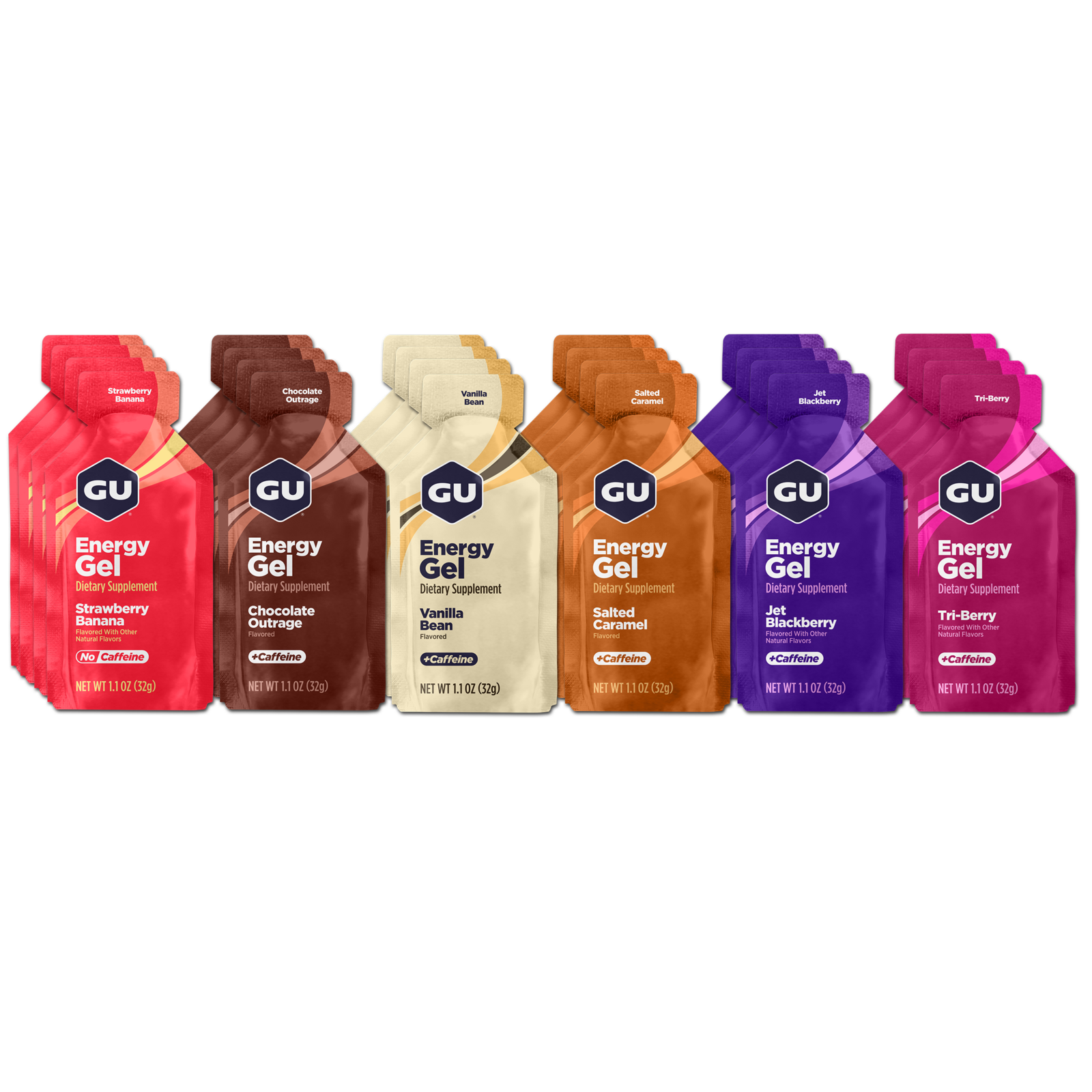
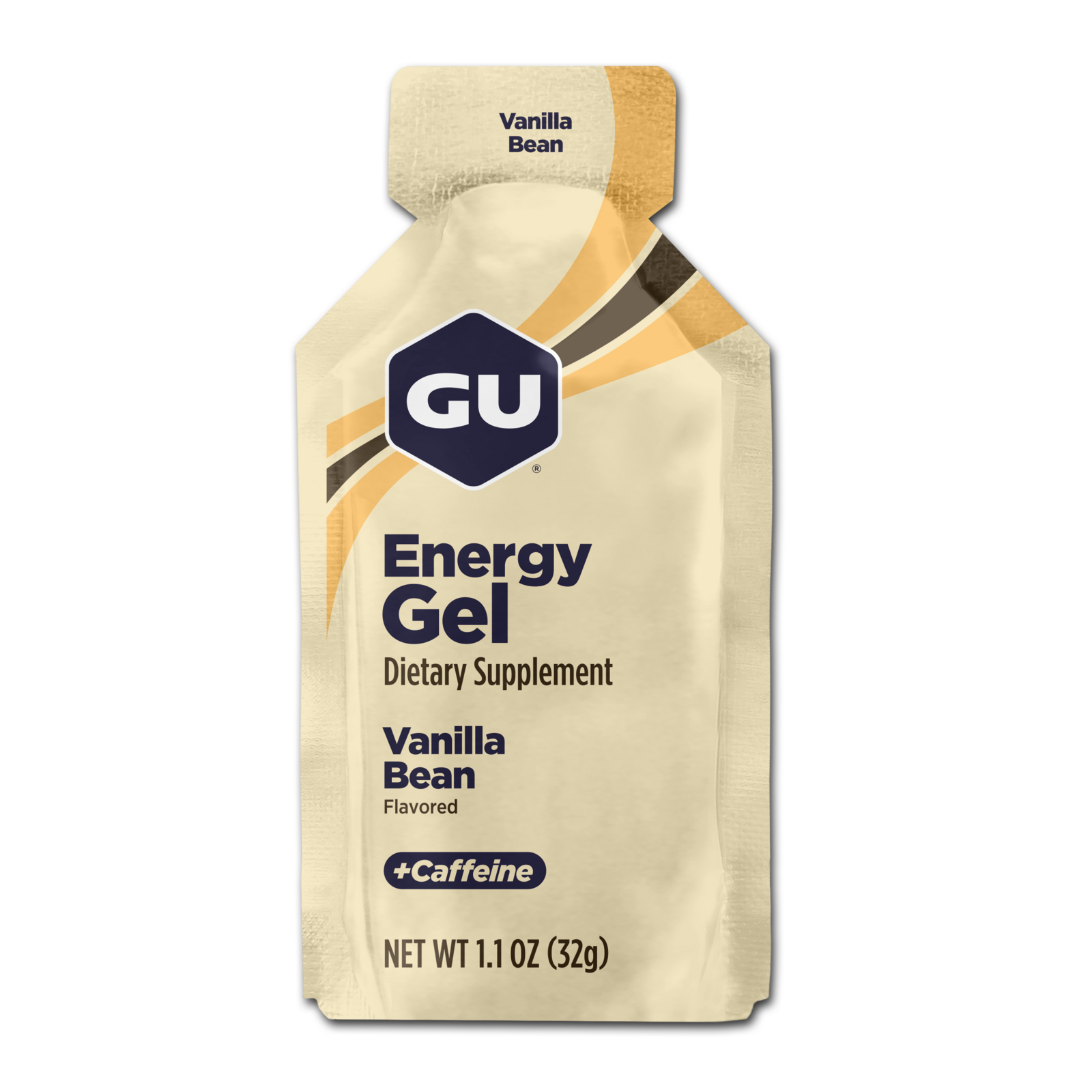
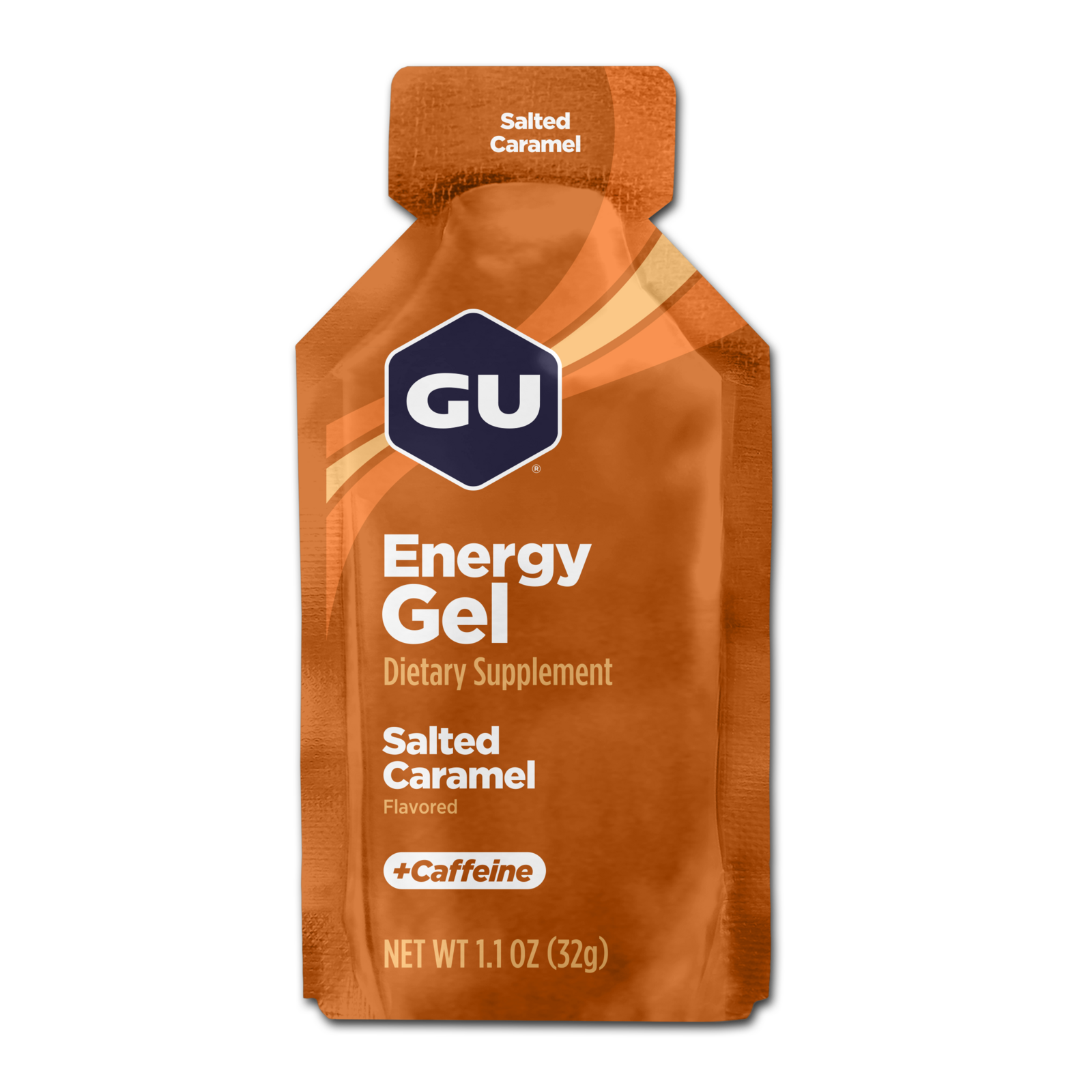
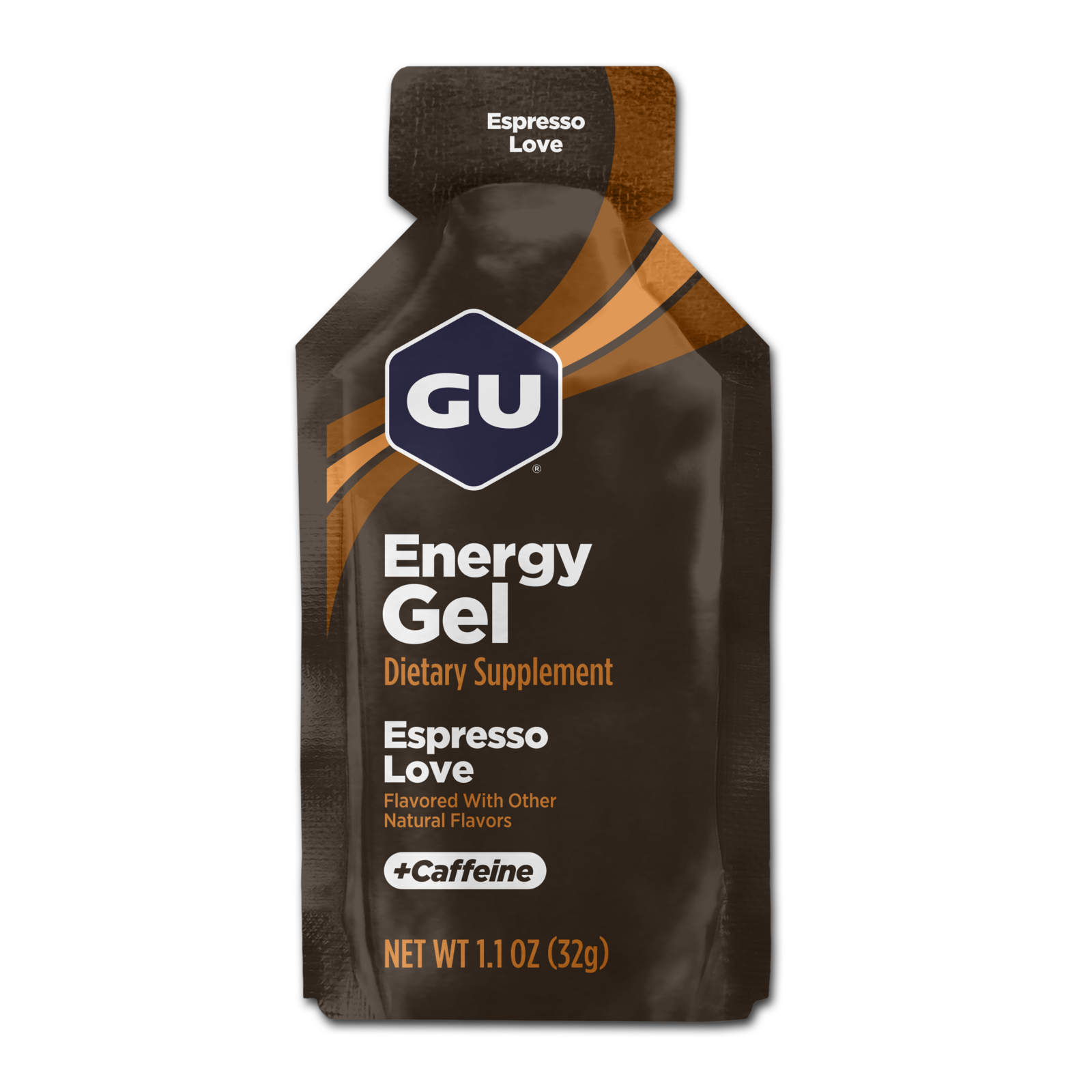
The performance range in the literature is roughly 3 to 6 mg per kilogram of body mass across an event. For a 70 kg runner that is 210 to 420 mg spread over the day, not in one go. Our gels carry 20 to 40 mg each and Roctane flavours up to 70 mg, which makes the arithmetic straightforward.
| Body mass | Sensible total for a long day | Roughly |
|---|---|---|
| 55–65 kg | 170–300 mg | 4–7 caffeinated gels across the event |
| 66–80 kg | 200–400 mg | 5–9 caffeinated gels across the event |
| 81 kg+ | 250–450 mg | 6–10 caffeinated gels across the event |
Timing beats total
- Keep the first half mostly caffeine-free. Effort is low, so there is little adenosine signal to block.
- Start caffeinated feeds around the halfway point, then space them at least 45 to 60 minutes apart.
- Save the strongest dose for the section you fear — Polly Shortts, Chapman's, the last 5 km of a 70.3 run.
- If you drink coffee daily, you are not immune; the effect is smaller, not absent.
Caffeine early is caffeine wasted. Caffeine late is a different race.
Who should be careful
If caffeine gives you a racing heart, gut cramps or sleeplessness that wrecks the night before a stage race, use the low end or skip it entirely. It is a performance aid, not a requirement, and practising it in training is the only way to know which camp you are in.